

Big Ideas,
Real Impact.
Being child is no easier than being an adult. We have good days, we have bad days. The Cozy Corner has resources to help teacher’s build substantial long lasting relationships through their students. Find educational resources here.

Classroom engagement should be exciting and entertaining. This year my 4th grade student’s participated in a Fishbow/Socratic Seminar discussion. This year my 4th grader’s were reading The Tiger Rising - a powerful story of friendship and how identity and discovery of one’s self can be found in the most unlikely situations. Instead of just reading We turned our Novel Study into a student lead discussion, where deep thinking and social emotional awareness collided.

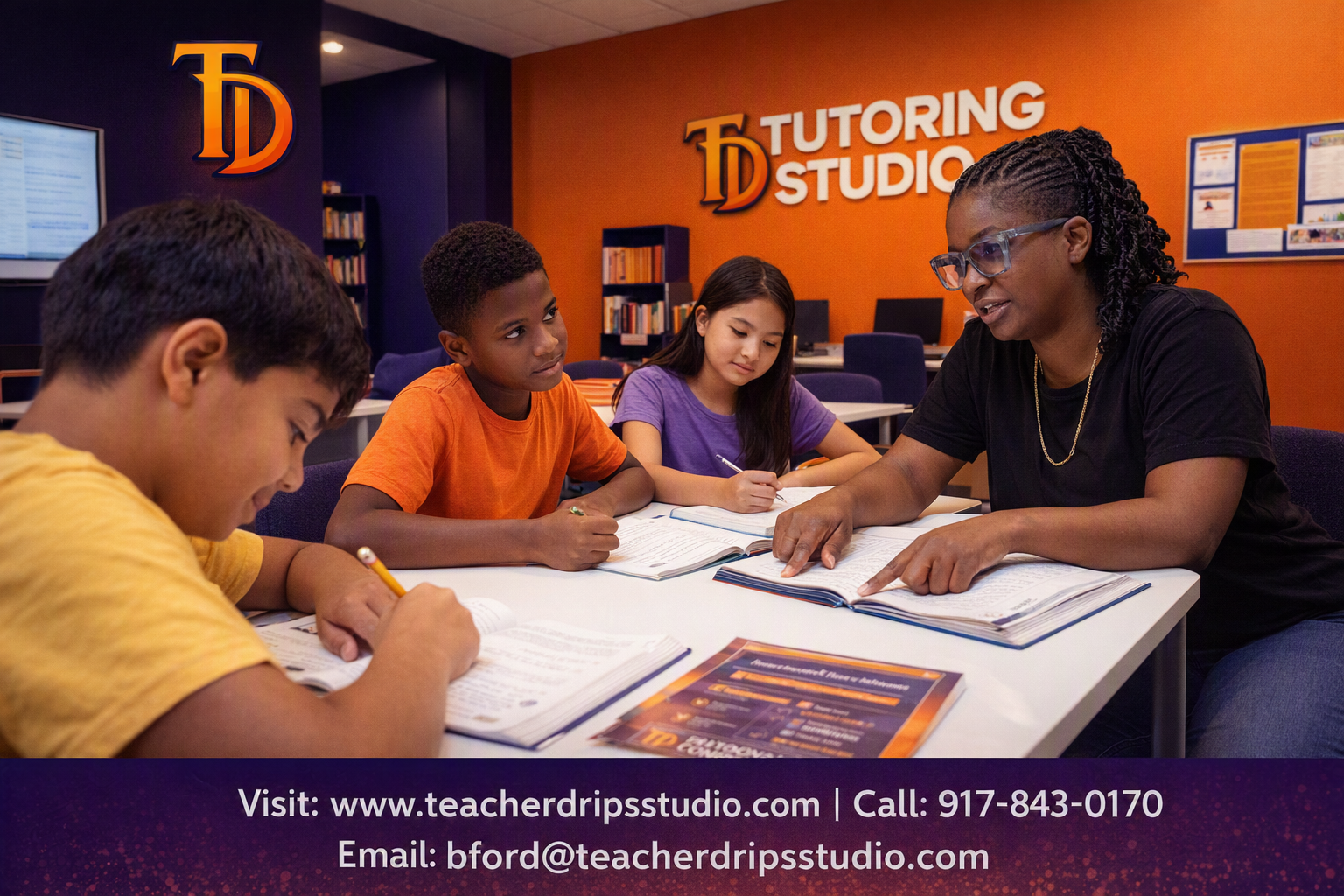
Hosted by Ms. Ford and Ms. Cristiano, fourth-grade students dive into theme, symbolism, and text-to-self connections in their novel study of The Tiger Rising. Using a fishbowl/Socratic seminar format, students actively engage with the text, practicing close reading, evidence-based discussion, and reflective listening. The small inner circle models thoughtful questioning and analysis while the outer circle observes, records insights, and prepares follow-up questions—creating a classroom culture where every voice matters.
Through guided prompts—What does the tiger represent? How do the characters’ choices mirror your own experiences?—students identify recurring themes and interpret symbols in context. They connect plot events to personal feelings and real-life situations, transforming abstract literary ideas into meaningful, relatable learning. Teachers coach students to cite textual evidence, synthesize differing viewpoints, and build on classmates’ ideas, strengthening both critical thinking and communication skills.
This approach fosters social-emotional growth as much as academic development. Students practice empathy by considering characters’ motivations, regulate emotions as they respond to sensitive topics, and reflect on how literature shapes their sense of self. By articulating personal connections, learners develop identity awareness and confidence in expressing perspectives.
The fishbowl/Socratic seminar method also models democratic discussion: respectful turn-taking, curiosity, and accountability. As students rotate roles—from inner circle speaker to outer circle observer—they practice leadership, active listening, and constructive feedback. Assessment includes teacher observation, student self-reflection journals, and brief written responses that require textual support and personal insight.
Result: a rich, student-centered novel study where literary analysis and social-emotional learning intersect. Students leave with deeper comprehension of theme and symbolism, stronger discussion habits, and a clearer understanding of how reading shapes who they are.

The Power of Novel Study: Building Empathy and Social Justice in the Classroom
Novel study is far more than reading a book — it’s an act of transformation. Within the Lavinia Curriculum, it becomes a bridge between literacy and humanity, helping students see themselves and others through a lens of empathy, resilience, and justice.
🌱 Why Novel Study Matters
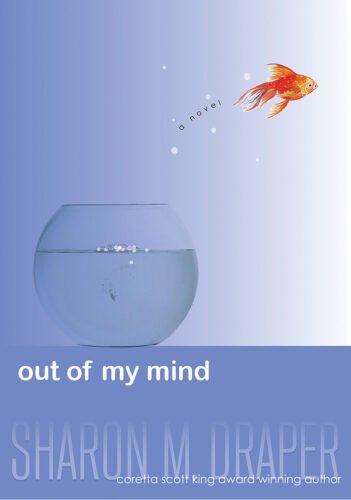
When students engage in a novel study like Out of My Mind by Sharon M. Draper, they don’t just decode words — they decode experiences. They step into Melody Brooks’s world, a young girl with cerebral palsy who cannot walk or talk but whose mind is brilliant and expressive. Through Melody’s voice, students learn that identity is complex and that difference is not deficiency.
This process nurtures critical consciousness — the ability to question stereotypes, challenge inequities, and recognize the dignity in every human story. It’s where literacy meets liberation.
🔍 Connecting Literacy to Social Justice
The Lavinia Curriculum’s weekly structure — Morphology and Phonics, Fluency, Main Idea, and Craft and Structure — provides the scaffolding for deeper comprehension. But it’s the Novel Study that brings those skills to life through authentic voices and lived experiences.
Students read Melody’s thoughts and connect them to nonfiction texts like Blind and Deaf—Not Dumb, learning about Helen Keller’s perseverance and how she overcame barriers to communication. These paired readings help students see that disability is not the end of possibility — it’s the beginning of a different kind of strength.
💬 Classroom Impact
In classrooms using Lavinia’s approach, students write reflections, annotate texts, and discuss themes like:
• Perseverance through struggle
• Overcoming challenges with disabilities
• Empathy and inclusion
These conversations cultivate a sense of justice — students begin to advocate for fairness, accessibility, and respect for all identities.
🌟 A Classroom of Change
Novel study transforms reading into activism. It teaches that every story matters and every voice deserves to be heard. Through Melody’s journey and Helen Keller’s legacy, students learn that literacy is a tool for equity, and that understanding others is the first step toward changing the world.

Big Ideas,
Real Impact.
Driven by curiosity and built on purpose, this is where bold thinking meets thoughtful execution. Let’s create something meaningful together.